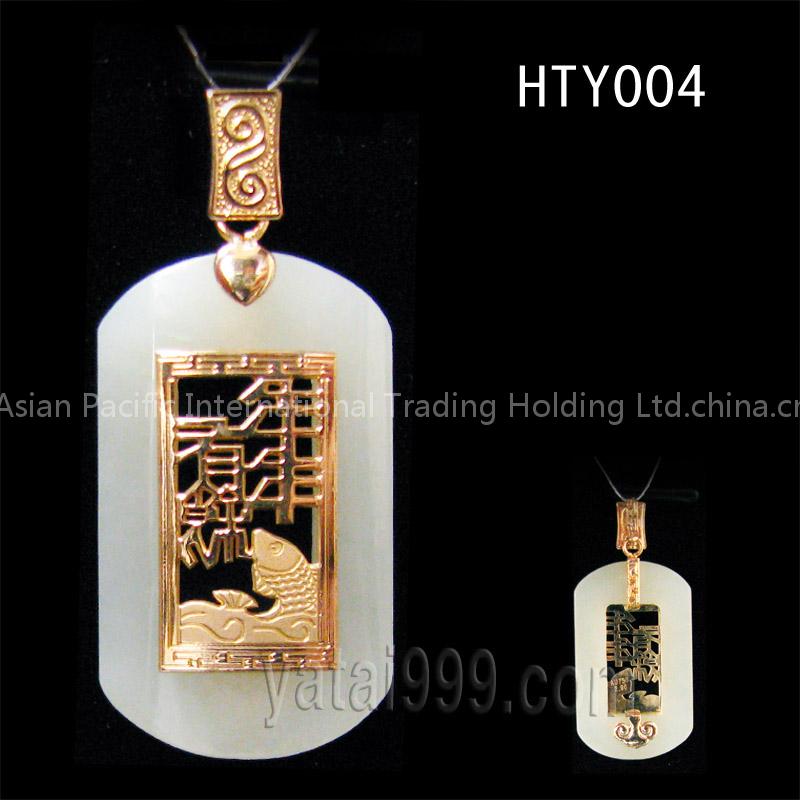
nephrite is a Fine Jewelry Jewelry Sets product. Key specs — Origin: China.
Product Description
Besides the terms already mentioned, nephrite has the following synonyms and varieties: aotea, axe-stone, B.C. jade, beilstein, kidney stone, lapis nephriticus, nephrit, nephrita, New Zealand greenstone, New Zealand jade,spinach jade (dark grayish green), and talcum nephriticus.
Tomb jade or grave jade are names given to ancient burial nephrite pieces that have a brown or chalky white texture as a surface treatmentDuring Neolithic times, the key known sources of nephrite jade in China for utilitarian and ceremonial jade items were the now depleted deposits in the Ningshao area in theYangtze River Delta(Liangzhu culture 3400–2250 BC) and in an area of the Liaoning province in Inner Mongolia(Hongshan culture 4700–2200 BC).
Jade was used to create many utilitarian and ceremonial objects, ranging from indoor decorative items to jade burial suits. Jade was considered the "imperial gem".
From about the earliest Chinese dynasties until present, the jade deposits in most use were from the region of Khotan in the Western Chinese province of Xinjiang (jade deposits from other areas of China, such as Lantian, Shaanxi, were also in great demand).
There, white and greenish nephrite jade is found in small quarries and as pebbles and boulders in the rivers flowing from the Kuen-Lun mountain range northward into the Takla-Makan desert area. River jade collection was concentrated in the Yarkand, the White Jade (Yurungkash) and Black Jade (Karakash) Rivers.
From the Kingdom of Khotan, on the southern leg of the Silk Road, yearly tribute payments consisting of the most precious white jade were made to the Chinese imperial court and there transformed into objets d'art by skilled artisans, as jade was considered more valuable than gold or silver.