


BOPP Thermal Lamination Films is a Films product. Key specs — Brand: NEI; Origin: China (Mainland).
Product Description
FEATURES
-Environmentally friendly: It is environmentally friendly,non-hazardous to health and safe to use as no toxic gases or volatile content is emitted.Safety in laminating process as
no solvent based adhesive is used.
-High function: Compared with other solvent lamination, our BOPP Thermal Lamination Film is better in clarity and bonding. Strong ability of absorbing powderItprevents lamination from being pressed, bubbled and shredded off easily. Matt thermal lamination film is good for spot UV and hot stamping.
-Easy handling: It is easy to operate once the required temperature is met and no special technique required.
-Efficient and energy-saving: Production cost is reduced substantially as there is no film wastage, mixture of adhesivesolvent, and no UV heating lamp is required.
-Adaptable to different kinds of machines: This BOPP Thermal Lamination Film is recommended to be used in dry laminator. Small adjustments need to be made to the machine if the film is used in wet laminator.
PROCESS PARAMETER
-Equipment for laminating film: dry and wet film laminator
-Temperature: Normal :85~100oc
-Special:100110
-Roller pressure :10~18 Mpa
-Speed :8~50 m/min
-Remarks :Special laminations refer to those with thicker ink, solid color, high moisture content and bigger size paper.
APPLICATION MANNUAL
1. Adjust roller pressure and temperature according to different types of paper and ink.
2. When using the film for the first time or changing to other sizes,we recommend a small trial volume before going into fully mass lamination.
3. The following situation will affect the quality of the film during lamination.
a. When using metal ink
b. When the ink contains too much wax, dried oil, adhesive, and silicon additive. etc.
c. When the ink is too thick .
d. When the ink is not completely dry
e. When the paper contains too much moisture
f. When there is too much powder
Related Products
 photo luminescent paper ,glowing adhesive paper
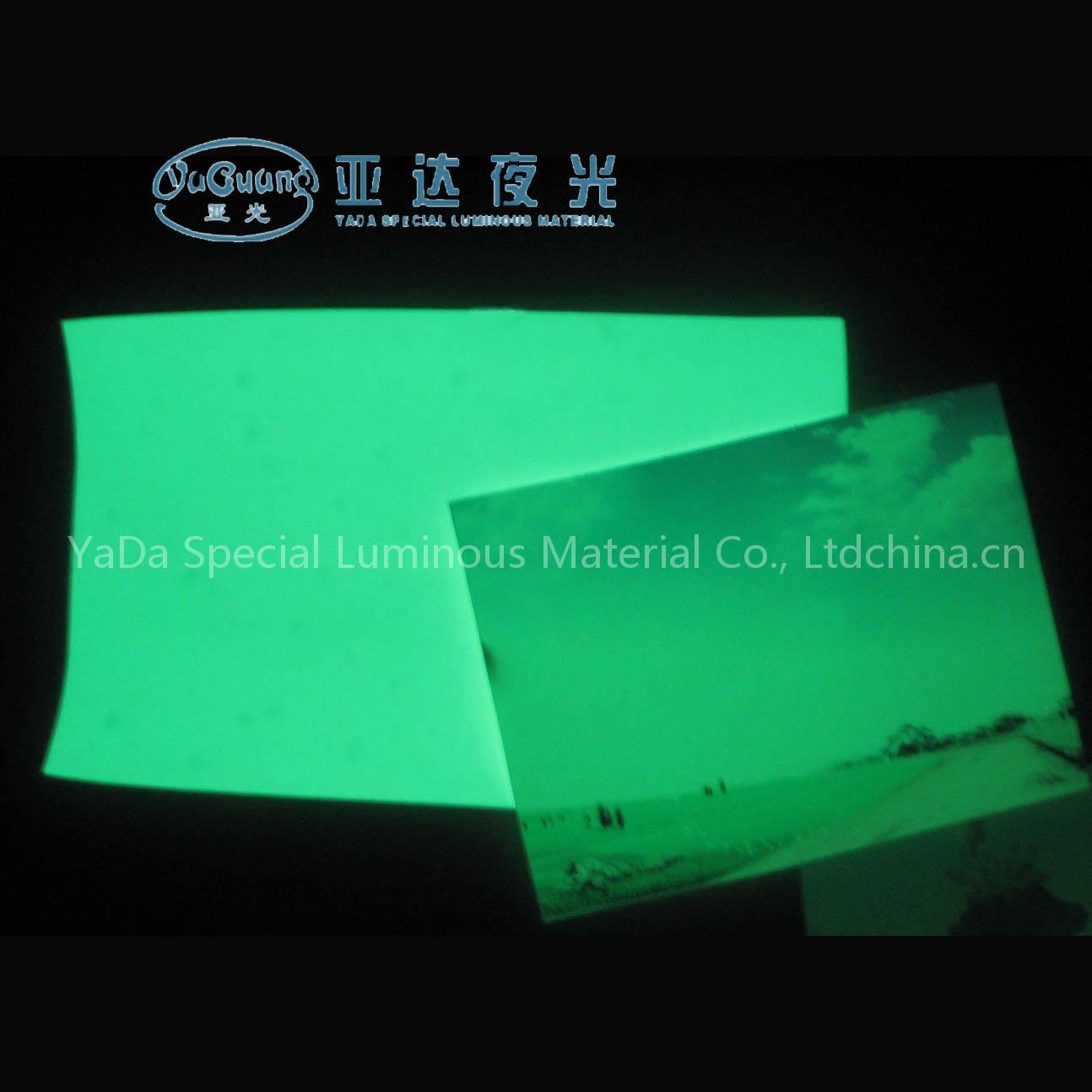 luminous paper /glow in the darkpaper /sheet glowing film
 photoluminescent film/glow sheet ,glow in dark film /glow film
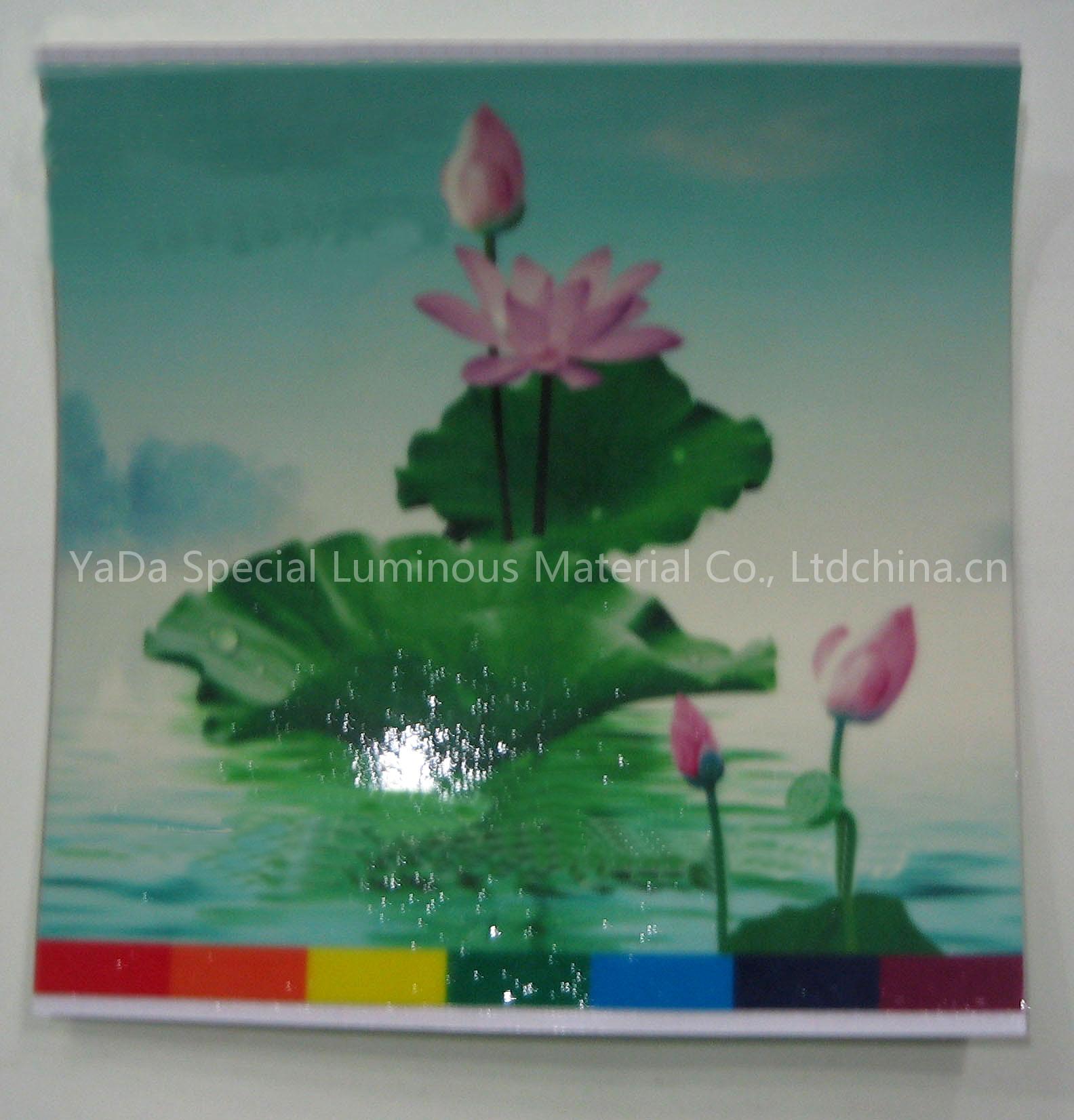 luminescent film,self adhesive glow film,glow sheet
 photoluminescent film/sheet ,glow in dark film /glow film
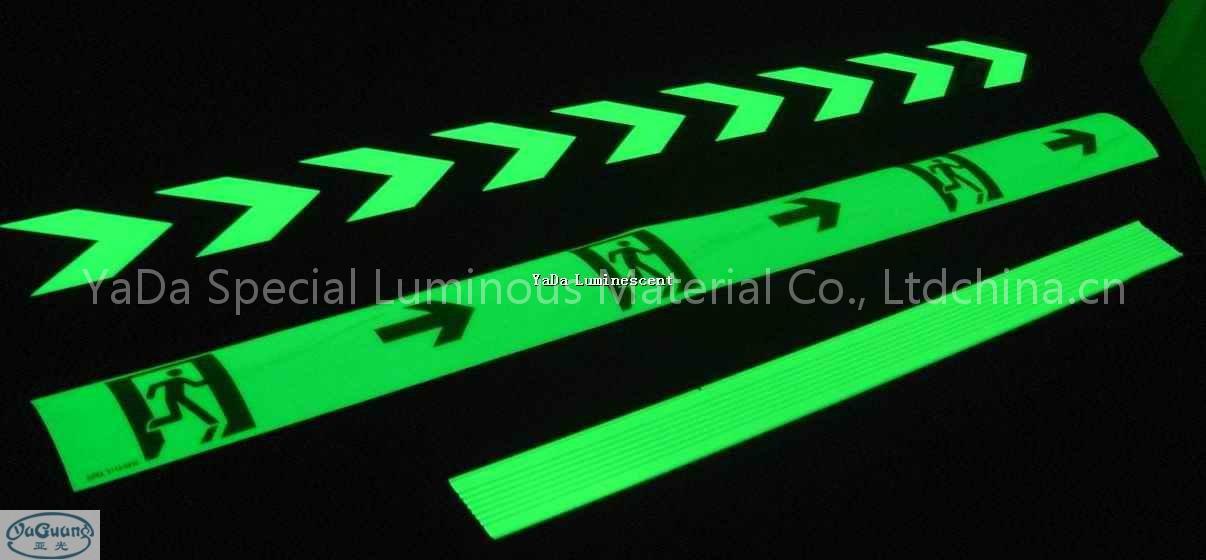 luminous glowing film /sheet /paper
 Plastic Film
 Stretch Film